
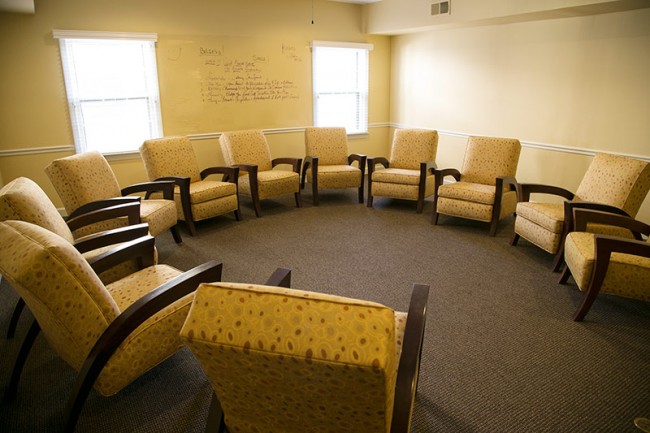
 Tennessee has an entrenched problem with drugs and alcohol, according to the Office of National Control Policy Programs, as the state came in first in 2007-2008 in terms of the non-medical use of pain relievers. Tennessee also made it into the top 10 of all states in terms of past-month use of illicit drugs. Put these two statistics together, and it seems to paint a picture of a state that’s awash with difficulties.
Thankfully, there are a number of in-state treatment programs that can help. And, those programs that offer outpatient care are required to meet a stringent set of requirements designed by the Tennessee Department of Mental Health. These are just a few of the rules that apply to these facilities.
Designing a Program
Effective treatment programs are variable, depending on the needs of the client and that person’s past history of both abuse and treatment. As a result, most outpatient programs create customized treatment programs for the clients in their care. According to the rules, these facilities must perform an assessment in order to develop that individualized program. When clients enter the facility, they are asked to provide a few basic details about their physical health and drug abuse, and then they’re given a few basic tests that help administrators determine how well these clients are functioning right now.
When the assessment is complete, the facility is required to develop an individualized plan that spells out:
- The problems that will be addressed
- The client’s goals
- The specific treatments that will be used
- The staff that will be involved
Clients must demonstrate their participation in the development of the plan, ensuring that they’re not going to get treatments they don’t agree with, and everyone involved must sign the document.
Keeping Good Records
Obviously, there’s a lot of paperwork involved in performing an assessment and developing a treatment program that can help. But facilities are also required to complete other types of documentation. For example, the rules require program administrators to keep progress notes about how well the treatment programs are working, and the use of any type of medication must similarly be documented. If the client does so well that the treatment program is considered complete, administrators must also write out a detailed set of discharge instructions and send those along with the person at the end of the program.
Treatment programs in Tennessee are also required to pull together a written description of the program offered in the facility. Details about the people the program typically serves, the staff that helps, the rules the facility follows and intake/discharge criteria must all be spelled out, and all of this documentation must be available for inspection by anyone who asks to see how the facility operates.
Additionally, some people who enroll in these programs have difficulties with appropriate behavior, and at times, they can become so disruptive that they become a danger to themselves or others. If the facility handles these issues with restrictive procedures, those must all be clearly defined and shown to anyone who asks to see them.
If you’d like to know more about how The Oaks at La Paloma complies with these rules in Tennessee, please call us. Our admissions coordinators would be happy to answer any questions you have or provide you with more detail about anything that seems unclear.