
 Combatting an addiction is difficult. After all, people who abuse drugs or alcohol often have months or even years of habits to overcome, and they may feel a constant urge to dip into the substances that once brought them joy. Treatment programs in Tennessee can help, but people who enroll in these programs are often required to stay involved for a long period of time. For example, according to the Institute for Substance Abuse Treatment Evaluation, 21.1 percent of people who enrolled in treatment in Tennessee stayed enrolled for 31 to 60 days, while 10.4 percent stayed involved for 181 days or longer.
Since these programs become such an integral part of a person’s life for a long period of time, the state of Tennessee has developed strict standards about how the facilities must be organized and how they should operate. This is a quick overview of those standards, based on rules published by the Tennessee Department of Mental Health and Mental Retardation.
General Building Requirements
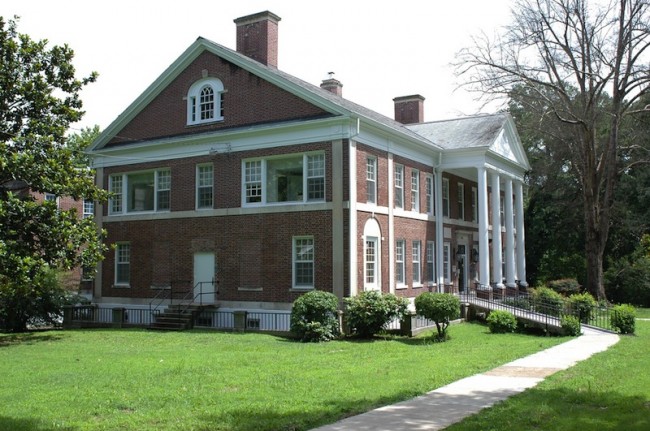
Many of the rules concern the cleanliness and the overall safety of the facility. For example, the facility must be clean and ventilated, and no rodents or insect infestations are allowed. In addition, the facilities must be capable of heating the building to 65 degrees, when necessary, and cooling the building to 85 degrees when temperatures are rising outside.
There are rules concerning how the rooms should be decorated, and while they might seem a little arbitrary, they could make a big difference to people who will be required to live on site while they get care for their addictions. For example, there are rules that require a bed, a dresser, a closet and clean linens in each bedroom, and there are rules that specify how many people can share a bathroom.
Food and Entertainment
While people who are enrolled in these treatment programs are likely to spend the majority of their time in therapeutic programs, they might also undertake a few more whimsical activities, including:
- Eating meals in social settings
- Spending time in shared recreational spaces
- Walking in the open air outside of the facility
- Going on outings under the supervision of the staff
All of these activities can help to break up the monotony of addiction care, but there are also some hazards involved. The rules help the facility to protect the safety of the clients enrolled in these programs. For example, kitchen staff is required to store food in a safe and hygienic manner, and all interior spaces and exterior spaces clients might spend time in are required to adhere to rigorous standards that can protect people in case of falls or other unforeseen circumstances.
Disabled clients, including those who aren’t able to see well or hear well, are at an increased risk of falling or otherwise becoming injured during the course of the day, and there are rules that can help to keep them safe. Proper lighting, quality handrails and other such amendments are a standard part of the construction of a treatment program, and these can be quite helpful for people who have endured some kind of damage during the course of the addiction.
If you’d like to know more about how The Oaks at La Paloma conforms to these rules in Tennessee, or you just have questions about how treatment really works, please call us. We have admissions coordinators available around the clock to answer your questions and address your concerns.