
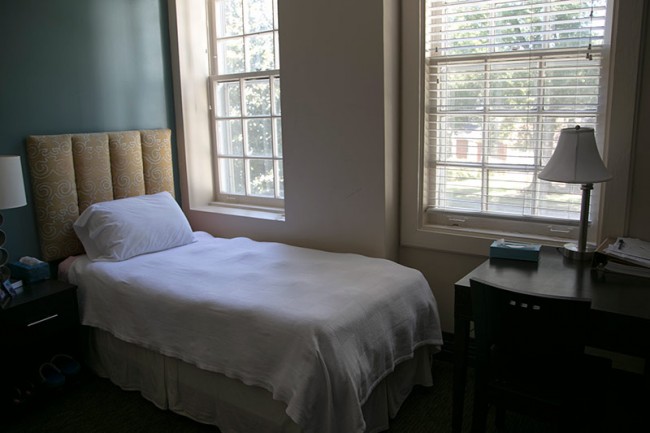
 While addiction treatment programs can help addicted people to get back on track, it can be tough for families to even think about placing a person in need into a residential program. These families might be accustomed to providing care at home and handling the day-to-day needs of the addicted person, so transferring that power to another entity might seem unusual or even a little bit scary.
Families that do choose a residential program in Tennessee might be reassured to know that these facilities are required to follow strict laws governing everything from the construction of the building to the activities of the staff. The rules that the facilities must follow can vary, depending on the type of care provided and the legal designation of the facility in question, but these are a few general guidelines that might make worried families feel just a little better.
Staffing Requirements
Treatment programs are often required to provide a certain staff-to-patient ratio, and that ratio might differ from morning to night. Typically, however, there must be a robust staff presence on hand in each building, and many of those staff members are required to know something about physical health care and what to do in the case of a medical emergency.
In addition, most facilities are required to name a physician to the position of medical consultant, and some institutions are required to have formal partnerships with hospitals and other medical facilities, so life-threatening emergencies can be handled quickly.
General Program Requirements
While these staffing requirements can help to ensure that clients in Tennessee facilities have appropriate experts to lean on when something goes wrong, other rules concerning the design of the program can help to ensure that they get the help they need when they need it. Often, these rules require facilities to assess each and every client that comes through the door, measuring their:
- Physical health
- Education or employment skills
- Financial health
- Psychological health
- Housing needs
- Overall life functioning
- History of substance abuse
An individual treatment program is built based on the results of this assessment, and it’s updated on a regular basis, depending on the changing needs of the client.
Client Rights
People who participate in programs like this aren’t pawns that can be moved from one place to another with no input. Instead, clients have specific rights that dictate how they must be treated. Clients must be fully informed about how the program will be conducted, for example, and they have the right to express the wish to change the treatment program. Clients also have a right to privacy, as well as a right to use common facilities as they see fit.
Clients and their families also have the right to see documentation that governs the rules the facility adheres to. Much of this article has been based on the governing documents a facility might keep on hand, such as the Tennessee Department of Mental Health and Developmental Disabilities Chapters 0940-5-45, 0940-05-06 and 0940-5-17. But families that would like to see proven compliance with these rules can ask for that paperwork, and the facility is obliged to comply with that request.
We know that choosing a facility and entrusting the officials there to take care of a loved one can be daunting. We’d like to help you to make a good decision. Please call us at The Oaks at La Paloma, and we’ll have a discussion about how we might help you and your family to recover from the damage an addiction can cause. Please call, and we’ll talk.