
Find Fast
Without sleep, people feel disjointed, cut off and fatigued. Approximately 50–70 million Americans struggle with sleep disorders, and many turn to drugs like Ambien for relief.1 Ambien, known by the generic name zolpidem, is a sedative-hypnotic drug that’s designed to help people fall asleep quickly and stay asleep for long periods of time.2
The pharmaceutical company behind Ambien has doubled their efforts in recent years to market the drug, and it’s popularity has increased exponentially. Ambien is extremely habit forming, so as the drug has become very popular very quickly, so has Ambien abuse and addiction.
The Unusual Impact of Ambien Abuse
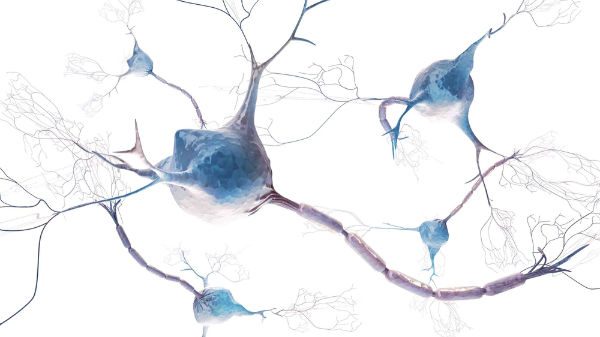 Ambien attaches to GABA receptors in the brain, slowing down the brain’s activities. Most people who take Ambien report a creeping sense of fatigue that ever so slowly causes them to drop off into a deep sleep. Some people, however, develop an entirely different reaction to the drug. Ambien blackouts, as they are commonly called because of the amnesia effect, can be dangerous and cause people to act very strangely.3
It is not uncommon for people to sleep-eat, attempt to drive, perform housework and hold conversations — all while under the influence of this powerful sedative. The next day, they don’t remember their actions at all.
Another potential side-effect of Ambien is euphoria.4 While Ambien is already well-known to be habit forming, its potential to produce feelings of euphoria only increases the likelihood of people abusing the drug and becoming addicted.
Moving Through Withdrawal
People who abuse Ambien and develop a physical dependence on the drug may experience symptoms of withdrawal when they attempt to stop using the drug. These symptoms can include the following:
- Nausea
- Vomiting
- Uncontrollable crying
- Nervousness
- Panicked episodes
The number of side effects associated with Ambien abuse and withdrawal is dose dependent, meaning that the higher the dose the person takes, the more likely it is that the person will experience physical discomfort. People who take low doses of the drug as directed by their doctors might not experience withdrawal, but people who are taking very high doses are almost certain to experience withdrawal. Withdrawal symptoms range from annoyances like nausea and sweating to very serious situations like seizures and tachycardia.5
Ambien detox is always safest in a medically managed facility. In a structured program for addiction, people can get assistance with withdrawal symptoms, through medications and supportive therapy, and they can achieve sobriety safely. After the detox period, patients begin talk therapies to teach them how to maintain sobriety for the rest of their lives. By talking through the beginnings of addiction and coping mechanisms, patients learn to manage their lives without abusing drugs.
Assisting With Sleep
 Since most people begin taking Ambien because they cannot sleep, an Ambien abuse rehab program teaches patients to sleep without relying on drugs. Insomnia is a condition that often precipitates experimenting with alcohol and drugs to help with sleep; therefore, learning skills to fall asleep naturally and develop healthy sleep patterns is an invaluable achievement in treatment.
Some good sleep habits that may be discussed include going to bed at the same time each night and keeping their rooms cool and dark. People might be asked to keep a sleep journal, in which they outline what they’ve done to improve their sleep and how well those actions have worked. People might also be asked to learn how to meditate at night, so they can calm their breathing and slow their minds, allowing them to sleep with ease.
Dealing With Cravings
Ambien abuse can cause persistent changes in brain chemistry, training the brain to rely on drugs in order to function normally. Cognitive Behavioral Therapy (CBT) sessions can help people learn to avoid their unique triggers to use drugs, and they can help patients learn how to deal with tempting situations when faced with them.
People with Ambien addictions may also benefit from mindfulness-based therapies in which they’re encouraged to observe their thoughts in a non-judgmental manner without acting upon them. When negative thoughts appear, they simply note them and let them pass. These techniques can be useful for people who take Ambien due to stress and an overactive mind as the techniques can allow them to experience peace and calm, without the use of drugs.
Finding Care
Jessica had been addicted to Ambien for several years before hitting rock bottom. But after detox and great care through her treatment program, she now says, “Recovery has given me freedom and joy and allowed me to be the person God intended me to be from the start. Today I am blown away at how my life has turned around.” (Read more of Jessica’s Heroes In Recovery here.) Thankfully, treatment is available, so your story can be turned around like Jessica’s.
Many people find that residential programs provide them with the best care for their Ambien addictions as they’ll have access to around-the-clock care in a completely drug-free setting. Other people, with less severe addictions, may continue to live at home while they participate in outpatient treatment. We can help you assess your needs and make the decision that is best for you.
If you or someone you love is struggling with Ambien abuse, please call us at The Oaks at La Paloma. Our specialized Ambien treatment programs can help you to recover, and our 24 hour, toll-free helpline puts you in touch with caring and knowledgeable admissions coordinators who can help you get started on your journey to sobriety. Please call today.
1 “Emergency Department Visits for Adverse Reactions Involving the Insomnia Medication Zolpidem.” SAMHSA. 1 May2013. Accessed 23 August 2017.
2 ““Ambien.” Drugs.com. Accessed 23 August 2017.
3 McCabe A., “The Disturbing Side Effect Of Ambien, The No. 1 Prescription Sleep Aid.” The Huffington Post. 23 February 2016. Accessed 23 August 2017.
4 Heydari, M, et al. “Zolpidem dependence, abuse and withdrawal: A case report.” Journal of Research in Medical Sciences. NCBI. November 2013. Accessed 23 August 2017.
5 Lamoure J., “How Is Zolpidem Dependence Managed?” Medscape.com. 24 February 2010. Accessed 23 August 2017.